
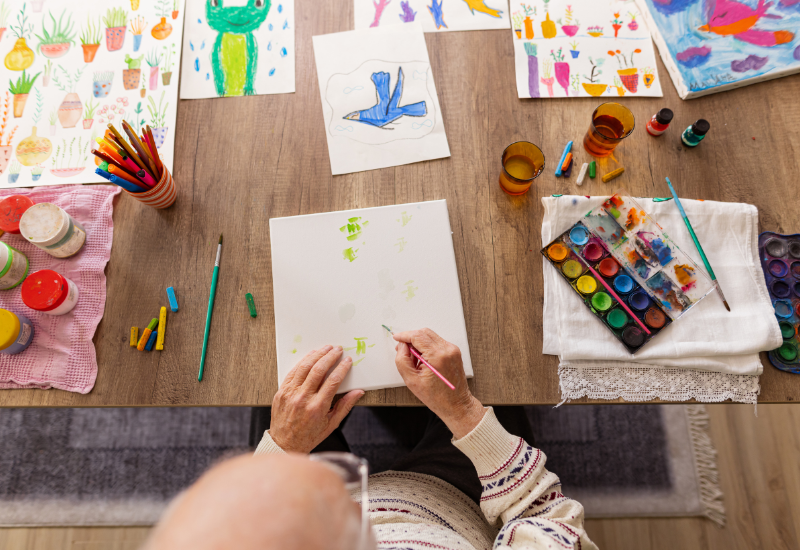
Creativity has a way of reaching places that words cannot always access.
When emotions feel tangled, overwhelming, or hard to name, making something with your hands can offer a different kind of clarity. Art therapy invites this process gently, without pressure to be “good” at art or to know exactly what you are feeling.
For many people, the benefits of art therapy show up quietly at first. You might notice a sense of relief after a session, or a feeling of being understood without having to explain everything.
Over time, art therapy can become a powerful tool for healing, self-awareness, and emotional regulation. It offers a space where expression is allowed to be messy, symbolic, and deeply personal.
The benefits of art therapy are not about producing a finished piece or uncovering meaning on demand. Instead, they come from the process itself. Creating art in a therapeutic setting allows emotions to move, stories to unfold, and healing to happen at a pace that feels safe.
What are the 5 goals of art therapy?
One of the core benefits of art therapy is that it supports multiple aspects of emotional and psychological wellbeing at once.
While each person’s experience is unique, there are five common goals that guide art therapy practice.
The first goal is emotional expression.
Art therapy creates a pathway for feelings that may be difficult to verbalize. Anger, grief, anxiety, or confusion can be expressed through color, shape, texture, or movement rather than words alone. This can feel especially relieving for people who struggle to talk about their emotions.
The second goal is self-awareness.
Through the creative process, patterns often emerge. You may begin to notice recurring themes, symbols, or emotional responses. One of the benefits of art therapy is that it allows insight to arise naturally, without forcing analysis.
The third goal is emotional regulation.
Creating art can help calm the nervous system and reduce emotional overwhelm. The rhythmic, focused nature of making art often brings a sense of grounding and containment, which is particularly helpful during periods of stress or instability.
The fourth goal is empowerment and agency. Art therapy encourages choice, experimentation, and curiosity. You decide what to create, how to create it, and when it feels complete. This sense of control can be deeply healing, especially for those who have felt powerless in other areas of life.
The fifth goal is integration and meaning-making. Over time, the benefits of art therapy include the ability to connect emotions, experiences, and insights into a more coherent sense of self. Art becomes a bridge between inner experience and conscious understanding.
What does art therapy do to your brain?
The benefits of art therapy are not only emotional, they are neurological as well.
Engaging in creative expression activates multiple areas of the brain at the same time. This includes regions responsible for emotion, memory, sensory processing, and problem-solving.
Art therapy often engages the right hemisphere of the brain, which is associated with creativity, intuition, and emotional processing.
This can be especially helpful when the logical, language-based parts of the brain feel overwhelmed or stuck. By working visually and symbolically, art therapy allows the brain to process experiences in a different way.
Another of the benefits of art therapy is its impact on the nervous system. The act of creating can reduce stress hormones and support a sense of safety. When the body feels calmer, the brain becomes more receptive to reflection and insight. This is why many people feel more open and present during art therapy sessions.
Art therapy can also strengthen neural connections related to emotional regulation and resilience. Over time, this can support improved coping, increased self-compassion, and a greater ability to tolerate difficult emotions without becoming overwhelmed.
What is the success rate of art therapy?
Success in art therapy does not look the same for everyone, which makes it difficult to measure in simple numbers.
However, many people report meaningful improvements in mood, emotional expression, and overall wellbeing through art therapy.
The benefits of art therapy are often cumulative.
Some individuals notice changes quickly, such as reduced anxiety or increased clarity. For others, the process unfolds more gradually as trust builds and self-awareness deepens.
Research and clinical experience suggest that art therapy can be particularly effective for anxiety, depression, trauma, and life transitions. It is also widely used with individuals who feel disconnected from their emotions or who find traditional talk therapy challenging.
One important factor in the success of art therapy is the therapeutic relationship.
Feeling safe, respected, and understood by the therapist plays a major role in how effective the process feels. The benefits of art therapy are most likely to emerge when the approach is collaborative and tailored to the individual.
What are the three elements of art therapy?
Understanding the structure of art therapy can help explain why the benefits of art therapy are so impactful. There are three key elements that work together in each session.
The first element is the art-making process itself. This includes the materials, the act of creating, and the sensory experience of working with art. The process is often more important than the final image, allowing expression without pressure or judgment.
The second element is the therapeutic relationship. The therapist provides a supportive, attuned presence that helps guide reflection and emotional exploration. One of the benefits of art therapy is that the therapist supports meaning-making without imposing interpretation.
The third element is reflection and integration. After creating, there is often space to talk about the artwork, the emotions that arose, and any insights that emerged. This reflective discussion helps connect the creative experience to everyday life.
Together, these elements create a holistic approach that addresses emotional, cognitive, and relational needs. This is why the benefits of art therapy often extend beyond the therapy room and into daily life.
Why the benefits of art therapy can feel so different
Many people are surprised by how different art therapy feels compared to other forms of support. There is often a sense of relief in not having to find the “right” words. Art allows complexity, contradiction, and uncertainty to exist without needing immediate resolution.
The benefits of art therapy also include permission to slow down. In a world that often values productivity and solutions, art therapy offers space to explore without an agenda. Healing, in this context, is not rushed or forced.
Art therapy can be especially supportive during periods of transition, grief, or identity exploration. When life feels unclear, creativity can provide a steady anchor. The benefits of art therapy lie in its ability to hold both pain and possibility at the same time.
Exploring art therapy with compassionate support
If you are curious about the benefits of art therapy, working with a therapist who values collaboration and individual needs can make all the difference.
Leah Casey is a Therapist at Indigo who offers a warm, affirming, and holistic approach to therapy, integrating art with empathic listening and reflective discussion.
With expertise in managing anxiety, depression, and life changes, Leah creates a trusting environment where clients feel safe to explore their life stories at their own pace.
Her work is grounded in a deep respect for diverse identities and experiences, and her practice is open and affirming to all, including LGBTQIA+ individuals and those in non-traditional relationships.
Leah holds a Masters in Counseling and Art Therapy from Adler University and brings extensive experience working with diverse populations. She tailors each session to the individual, honoring creativity as a meaningful pathway toward growth and healing.
If you are interested in experiencing the benefits of art therapy for yourself, consider booking a session with Leah Casey.
Therapy does not mean having all the answers.
Sometimes, it begins with curiosity, creativity, and a compassionate space to explore what matters most to you.
Indigo Therapy Group
Therapy Services for the Greater Chicago Area
Locations
Northbrook Location
Oak Park Location
1011 Lake Street, Suite 425
Oak Park, IL 60301
Things To Know
- Elevators & Parking are available at both locations at the buildings.
- Virtual services are provided throughout Illinois.